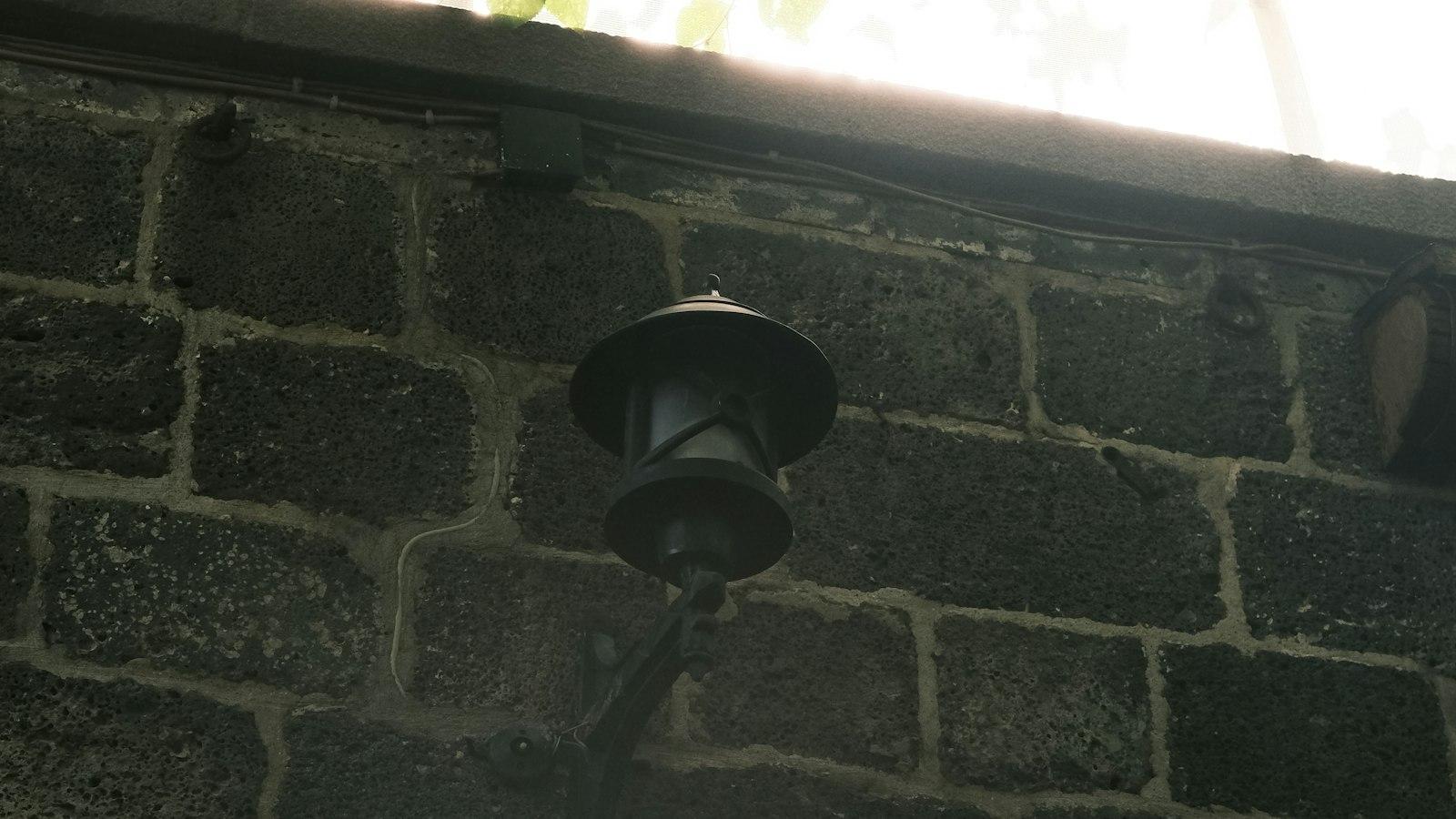
A compound wall is a long face with weather on it — not a single hero bracket beside a front door. Architects and dealers who browse the cast aluminium outdoor wall lights range still ask a narrower question on WhatsApp: how many fittings for the run, which finish next to the gate, and whether the lantern should sit on the face or pretend to be a post-top on the coping. This note is that run brief. It is not a second catalogue of wall models, and it is not the elevation centre-mark method in where to mark a wall lantern. Those pages stay the hubs for range and height. What follows are the mistakes Yogendra and Dharmendra still correct before a boundary wall order leaves Aligarh — written for pan-India sites, with the factory origin in Aligarh kept as a fact, not as a city-only sales pitch.
Key facts
- A compound wall is a boundary wall outdoor lantern run — measure length and count faces before you fall in love with one bracket.
- Pick the look on wall-lights.html; keep centre marks on the wall lantern height note — this page is the run brief only.
- Match finish with whatever else the road sees at the same glance (often the gate head); do not perch a post-top on a thin coping and call it a wall light.
- Decide empty housing versus glass-and-LED before packing; trade lots from the works start at 10 pieces.
- Next step: Padma_Catalogue_2026.pdf or WhatsApp +91 70176 62533 with length, codes, finish and packing.
Why a compound wall run is its own brief
Gate heads sit on measured pillar caps. Porch brackets answer a short elevation. A compound wall asks for rhythm: a length of plaster or brick that people walk past, drive past, and photograph from the road as one strip. Wrong spacing, mixed finishes, or the wrong family of fitting reads as unfinished the moment the lights come on. The model family itself lives on wall-lights.html — fifty-four cast-aluminium outdoor wall lanterns for elevations, compound faces and veranda returns. Use that page to pick the look. Use this page to stop the seven errors that turn a clean look into a remake.
Seven mistakes we still see before the quote
-
Ordering the wall look without measuring the run
A phone crop of one corner is not a schedule. Walk the length that will carry lanterns — main road frontage, return to the gate, service lane — and write metres (or feet) plus how many faces you want the street to read. Trade lots from the works start at 10 pieces; a long boundary often wants more than a decorative pair. Send the length with the look code so the reply can talk quantity, not only style.
-
Mixing the wall finish with the gate head
When the gate pillar and the compound return sit in one glance from the road, a matte-black post-top next to an antique wall face starts an argument after installation. Match the finish family across what the street sees together. Powder coat and antique wipe behaviour under dust and salt is covered in powder coat and antique; the gate model range stays on gate lights. This page only insists that the wall run and the gate head should not fight each other in the same photograph.
-
Perching a post-top on the coping and calling it a wall light
A lantern that belongs on a pillar cap is a different family from a bracket on the face. Boundary walls that need a head on the coping should look at the gate / post-top book, not force a wall SKU to balance on a thin coping edge. Face-mounted wall lanterns take rain on the glass and heat from the plaster; that is the job the wall range is built for. If your drawing shows a cap seat, measure that seat the way pillar size to lantern size describes — then leave the wall run to wall brackets.
-
Copying porch centre marks onto a low boundary
Porch and gate-side elevations often sit near eye level for visitors. Many compound walls are shorter, and a lantern marked like a villa porch can throw glare into the neighbour’s window or sit oddly under the coping. Height marks belong in the dedicated note — wall lantern mounting height — not re-argued here. The mistake for this page is assuming one centre height fits every wall on the plot. Write the boundary face as its own line on the elevation.
-
Leaving empty versus glass-and-LED undecided on an exposed face
A compound wall takes weather on the face all year. Dealers who stock their own lamps often want empty cast housings; site packages that must light on day one often want glass and LED already fitted. That wholesale choice is the same trade decision as elsewhere in the book — see empty housing vs glass+LED — but it must be named before packing. Do not leave “decide later” on a run of a dozen exposed faces.
-
Asking for ingress numbers the works has not published
Padma does not invent lab ratings for the website. Body metal is die-cast aluminium; finish is powder coat (antique wipe when that is the look); B22 is the usual holder language on the trade desk; bulb inclusion follows the quote. If a consultant needs an honest body-and-finish line rather than a number we have not measured, say so on WhatsApp — the pattern for drawing emails is in architect spec. Inventing an IP figure to win a tender is not how the works quotes.
-
Choosing iron on a dusty, wet boundary “to save money”
Iron that already stains plaster is the wrong metal for a long outdoor face. Cast aluminium is the metal story on this site for a reason — the materials note on aluminium versus iron is the longer argument. For a compound wall that will still be photographed in five monsoon seasons, the cheaper iron sample is usually the expensive remake. Stay inside the cast-aluminium wall range when the face is permanent outdoor work.
How the run should read on the drawing
Think in three layers, then stop inventing a fourth:
- Family — wall bracket from wall lights, not a gate head forced onto coping, not a driveway pole standing in for a boundary face (poles and gaps live under pole lanterns and the driveway spacing note).
- Rhythm — length of the wall, how many lanterns, whether returns near the gate need to match the road frontage. Farmhouse boundaries and city compounds differ in length; both still need a count, not only a mood image. Broader farmhouse context: farmhouse gate lighting.
- Match — finish aligned with whatever else the road sees at the same glance, and packing (empty or glazed) decided before the carton leaves Aligarh.
Exterior category choice — gate versus wall versus hanging versus pole — remains the overview in exterior lighting for an Indian home. This article only deepens the compound-wall run inside the wall family.
Frequently asked questions
- How many lanterns does a compound wall run usually need?
- Write the metres of face that will carry lanterns — main road frontage, returns to the gate, service lane — and how many faces the street should read. Trade lots from the works start at 10 pieces; a long boundary often wants more than a decorative pair. Send length with the look code so the reply can talk quantity, not only style.
- Wall bracket on the face, or a post-top on the coping?
- Face-mounted wall lanterns take rain on the glass and heat from the plaster — that is the wall range job on wall-lights.html. A lantern that belongs on a pillar cap is a different family. If the drawing shows a coping seat, measure that seat the way pillar size to lantern size describes, then leave the wall run to wall brackets.
- Does the compound wall finish need to match the gate head?
- When both sit in one glance from the road, yes — match the finish family. A matte-black post-top next to an antique wall face starts an argument after installation. Powder coat and antique behaviour under dust and salt is covered in powder coat and antique; the gate model range stays on gate lights.
- What belongs in the first WhatsApp for a compound wall quote?
- Wall length and which sides of the plot; preferred look or codes from the 2026 catalogue PDF or wall lights; finish family and whether the gate head must match; empty versus glass-and-LED packing; quantity and destination city. Centre marks can follow the height note separately. Trade desk: +91 70176 62533.
What to put in the compound-wall WhatsApp
Trade desk: +91 70176 62533 · email padmaenterprises55@gmail.com.
- Approximate wall length (and which sides of the plot).
- Preferred look or codes from Padma_Catalogue_2026.pdf / catalog.html / wall-lights.html.
- Finish family, and whether the gate head must match.
- Empty housing versus glass-and-LED packing, quantity, destination city.
- Centre-mark notes if already decided — or say you will follow the height note separately.
Commercial frame is the same as the rest of the site: billing in INR, ex-works Aligarh, GST and freight outside the piece price; trade lots from 10 pieces; works address and terms on About; freight context on shipping. We reply against those facts — not against invented certificates or client lists.
“A compound wall is a run. Spec the rhythm before you fall in love with a single bracket.”